Blog A business trip to London can begin with a flight booked around a meeting, a hotel selected for its location and a calendar filled with appointments. By the time the last meeting ends, it may feel as though the city has passed by outside the window. But what if the trip did not have to end when the work did? For professionals travelling to London, extending a business visit by a day or two can create room to explore the city, meet friends, enjoy a good meal or simply spend time somewhere beyond the conference room. Others may have enough flexibility in their schedules to work remotely for part of the trip, provided their employer’s policies and the practical arrangements allow it. This combination of professional commitments and personal travel is known as *bleisure*, a blend of business and leisure. It has become a recognised subject in the hospitality industry, as accommodation providers respond to travellers who want more flexibility in how they use their time away. For anyone planning a business visit to London, the opportunity is worth considering. The key is to plan it properly. What Is Bleisure Travel, and Why Are More Travellers Considering It? Bleisure travel happens when someone combines work-related travel with personal leisure time. This might mean staying an extra weekend after a conference, arriving a day early to explore a city or adding a few personal days to an international business assignment. It does not necessarily mean working throughout a holiday. Often, the distinction is simple: the professional part of the trip has a clear purpose, while the additional time allows the traveller to enjoy the destination on their own terms. The idea has gained attention as flexible and hybrid working arrangements have changed how some professionals approach travel. Industry publications such as *Forbes* and hospitality technology company Mews have examined how travellers are combining work commitments with personal experiences, and what this means for accommodation providers. Longer stays are also attracting attention across the serviced-apartment sector. Savills reported an 11% increase in the number of Europeans planning trips lasting seven to twelve nights in 2025, citing European Travel Commission data. For London visitors, this creates a practical question: if you are already travelling for work, could a little more time in the city make the trip more worthwhile? The answer depends on your schedule, budget and responsibilities, but the possibility deserves consideration before your return flight is booked. Why London Works for a Work-and-Leisure Trip London is a major business centre, but its appeal extends well beyond its offices and conference venues. The city offers museums, historic neighbourhoods, theatres, restaurants, markets, parks and cultural attractions. Depending on where you stay, you could spend the morning in a meeting, have dinner in a neighbourhood you have never visited and dedicate the following day to exploring at your own pace. The mistake is assuming you need an entirely free week to experience the city. A carefully planned afternoon can be enough to discover a new neighbourhood. An evening might mean a West End performance, dinner with colleagues or a walk along the South Bank. An additional weekend can provide time for attractions that would be difficult to fit around a demanding work schedule. London rewards a little planning, particularly because journey times between different parts of the city can be longer than visitors expect. Rather than filling every spare hour with activities, choose a few experiences that interest you and organise them around where you will already be. The Accommodation Decision Can Shape the Entire Trip When accommodation is booked exclusively around work, the nearest suitable hotel may appear to be the obvious choice. But when a trip includes several additional nights, it is worth reconsidering what you need from the place you will be staying. A serviced apartment can offer a different arrangement, particularly for visitors who want more living space or plan to stay for several days. Depending on the property, facilities may include a separate living area, a kitchen, laundry facilities and Wi-Fi. These features can be useful when you need to prepare for a meeting, take a video call, organise your day or spend a quiet evening indoors. Consider a consultant travelling to London for a four-day assignment. If the schedule allows an additional weekend, an apartment with suitable living space could support the working days while also providing a comfortable base for the leisure portion of the trip. The same consideration applies to professionals travelling with a partner or family member. One person may have meetings during the day while the other explores the city, with both able to spend the evenings together. The important point is to choose accommodation that suits the actual itinerary, rather than paying for facilities you will not use or overlooking features that could make a longer stay easier. Five Practical Ways to Plan a Better Bleisure Trip 1. Decide Which Days Are for Work and Which Are Personal Start by separating your professional commitments from your leisure plans. Confirm your meeting schedule, conference dates and any obligations that require you to be available. Then decide whether you can arrive early, stay later or use a free weekend. This simple step helps you estimate the actual cost of extending the trip and avoids building leisure plans around dates that may change. If your employer is paying for the business portion, confirm the company’s travel policy before making changes to flights or accommodation. 2. Check Your Accommodation Before Extending Your Stay Do not assume you can automatically keep the same room or apartment for additional nights. Check availability, the revised price and the terms for extending your reservation. If you are considering a serviced apartment, confirm the facilities included, check-in arrangements and any additional charges. It is also worth asking whether the rate changes for a longer booking. Compare the full cost of the extended stay rather than relying solely on the original nightly rate. If you are travelling during a major conference, school holiday or popular London event, arrange the extension early where possible. 3. Choose a Location That Works for Both Parts of the Trip A location that is ideal for your meetings may not be the most convenient base for every leisure activity. Equally, staying near a particular attraction may make your daily commute unnecessarily complicated. Look at the entire itinerary. Identify your main work destination, the places you want to visit and the transport connections that link them. London Underground services, rail stations and buses can make it easier to move around, but the most suitable route depends on your actual destinations and travel times. If you have meetings in different parts of the city, consider how much time you will spend commuting before choosing where to stay. The aim is not to be close to everything. It is to make the places that matter most reasonably accessible. 4. Make Space for Work Without Letting It Take Over Some bleisure trips involve a strict separation between workdays and personal days. Others include remote work during the extended stay. If you intend to work remotely, establish what you need before booking. Reliable internet, a comfortable place to work, sufficient lighting and a quiet environment may be essential. Confirm that the accommodation provides the facilities you require. A property photograph showing a table does not necessarily mean it has a suitable dedicated workspace. You should also consider time zones if your colleagues or clients are based elsewhere. A morning in London may overlap with a different working day for colleagues abroad, depending on their location and the season. Most importantly, check whether your employer permits remote work from your destination. Working internationally can raise tax, immigration, data-security and employment-policy questions, so do not assume that a leisure extension automatically gives you permission to work from abroad. 5. Plan a Few Experiences, Not an Exhausting Itinerary A common travel mistake is trying to fit too much into too little time. You do not need to visit every famous landmark to make a London trip memorable. Choose experiences that suit your interests and leave enough room to enjoy them. If you love theatre, reserve an evening for a performance. If food is your priority, research a few restaurants or markets. If you enjoy history, choose a museum or historic site and give yourself enough time to explore it properly. For a short extension, grouping activities by neighbourhood is often more practical than crossing London several times in one day. […]

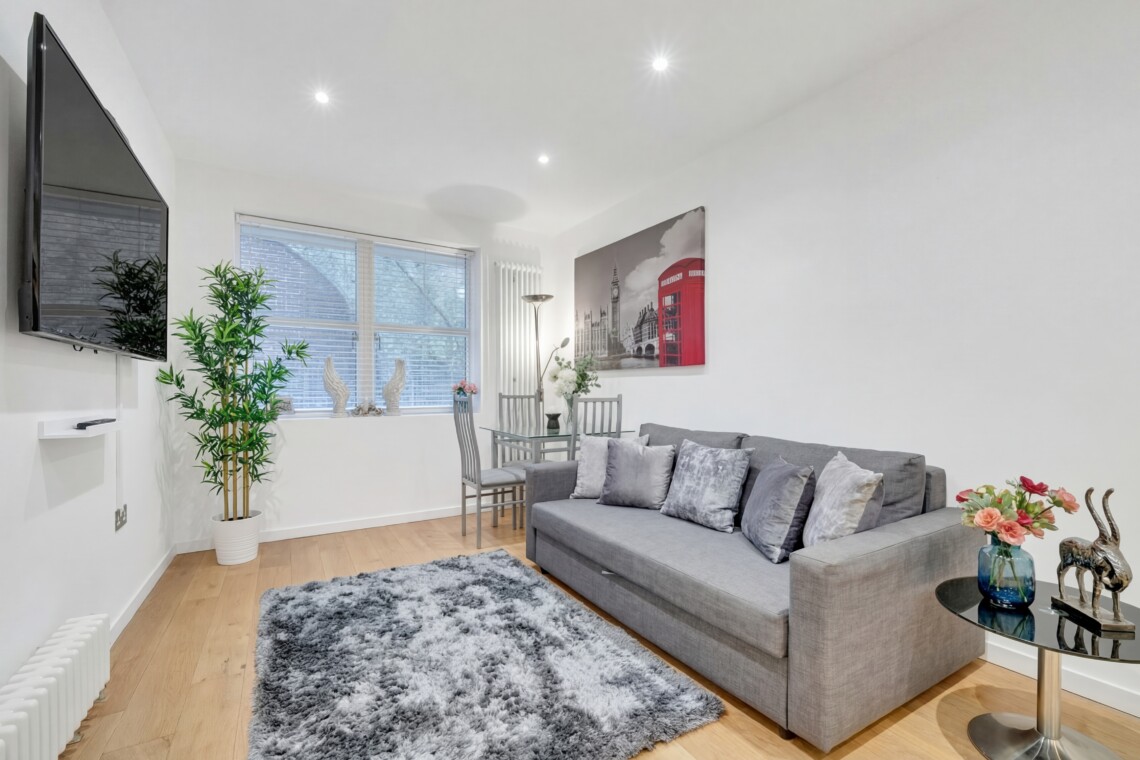
 by Marlex Apartment




Latest Comments