Blog
A business trip to London can begin with a flight booked around a meeting, a hotel selected for its location and a calendar filled with appointments. By the time the last meeting ends, it may feel as though the city has passed by outside the window.
But what if the trip did not have to end when the work did?
For professionals travelling to London, extending a business visit by a day or two can create room to explore the city, meet friends, enjoy a good meal or simply spend time somewhere beyond the conference room. Others may have enough flexibility in their schedules to work remotely for part of the trip, provided their employer’s policies and the practical arrangements allow it.
This combination of professional commitments and personal travel is known as *bleisure*, a blend of business and leisure. It has become a recognised subject in the hospitality industry, as accommodation providers respond to travellers who want more flexibility in how they use their time away.
For anyone planning a business visit to London, the opportunity is worth considering. The key is to plan it properly.
What Is Bleisure Travel, and Why Are More Travellers Considering It?
Bleisure travel happens when someone combines work-related travel with personal leisure time. This might mean staying an extra weekend after a conference, arriving a day early to explore a city or adding a few personal days to an international business assignment.
It does not necessarily mean working throughout a holiday. Often, the distinction is simple: the professional part of the trip has a clear purpose, while the additional time allows the traveller to enjoy the destination on their own terms.
The idea has gained attention as flexible and hybrid working arrangements have changed how some professionals approach travel. Industry publications such as *Forbes* and hospitality technology company Mews have examined how travellers are combining work commitments with personal experiences, and what this means for accommodation providers.
Longer stays are also attracting attention across the serviced-apartment sector. Savills reported an 11% increase in the number of Europeans planning trips lasting seven to twelve nights in 2025, citing European Travel Commission data.
For London visitors, this creates a practical question: if you are already travelling for work, could a little more time in the city make the trip more worthwhile?
The answer depends on your schedule, budget and responsibilities, but the possibility deserves consideration before your return flight is booked.
Why London Works for a Work-and-Leisure Trip
London is a major business centre, but its appeal extends well beyond its offices and conference venues.
The city offers museums, historic neighbourhoods, theatres, restaurants, markets, parks and cultural attractions. Depending on where you stay, you could spend the morning in a meeting, have dinner in a neighbourhood you have never visited and dedicate the following day to exploring at your own pace.
The mistake is assuming you need an entirely free week to experience the city.
A carefully planned afternoon can be enough to discover a new neighbourhood. An evening might mean a West End performance, dinner with colleagues or a walk along the South Bank. An additional weekend can provide time for attractions that would be difficult to fit around a demanding work schedule.
London rewards a little planning, particularly because journey times between different parts of the city can be longer than visitors expect.
Rather than filling every spare hour with activities, choose a few experiences that interest you and organise them around where you will already be.
The Accommodation Decision Can Shape the Entire Trip
When accommodation is booked exclusively around work, the nearest suitable hotel may appear to be the obvious choice. But when a trip includes several additional nights, it is worth reconsidering what you need from the place you will be staying.
A serviced apartment can offer a different arrangement, particularly for visitors who want more living space or plan to stay for several days.
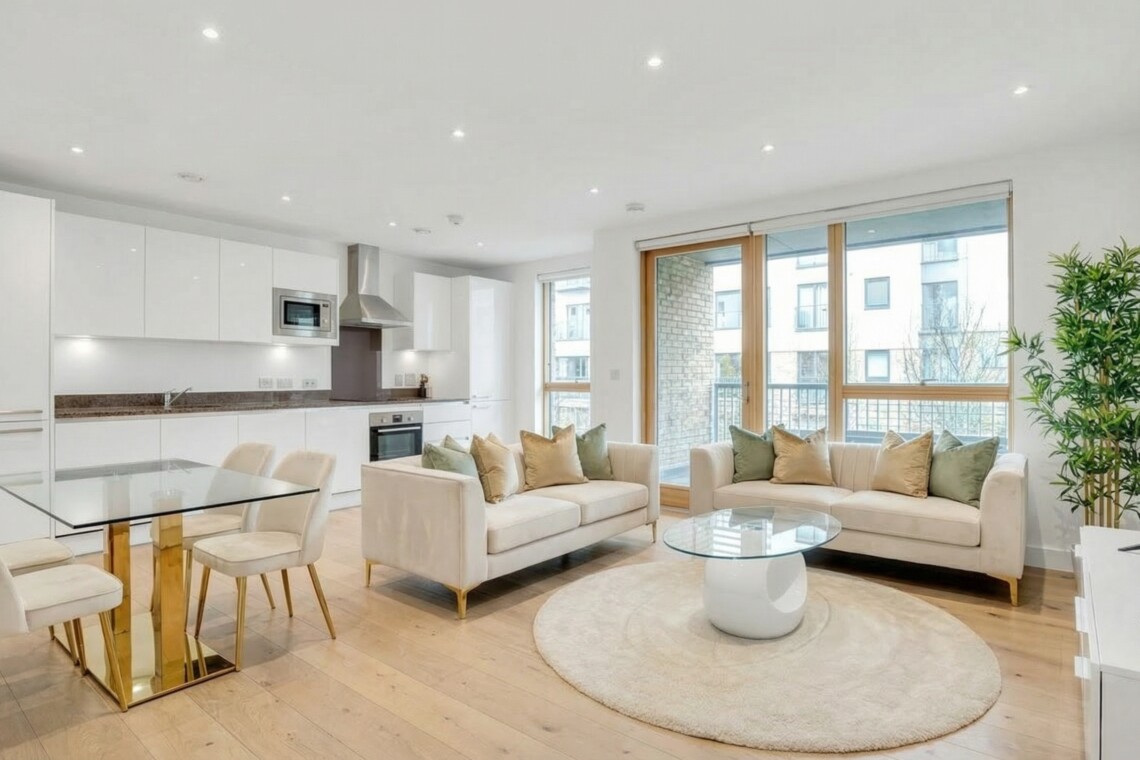
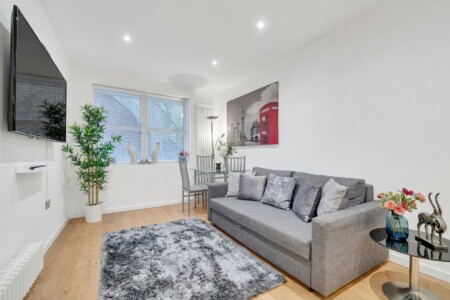
Depending on the property, facilities may include a separate living area, a kitchen, laundry facilities and Wi-Fi. These features can be useful when you need to prepare for a meeting, take a video call, organise your day or spend a quiet evening indoors.
Consider a consultant travelling to London for a four-day assignment. If the schedule allows an additional weekend, an apartment with suitable living space could support the working days while also providing a comfortable base for the leisure portion of the trip.
The same consideration applies to professionals travelling with a partner or family member. One person may have meetings during the day while the other explores the city, with both able to spend the evenings together.
The important point is to choose accommodation that suits the actual itinerary, rather than paying for facilities you will not use or overlooking features that could make a longer stay easier.
Five Practical Ways to Plan a Better Bleisure Trip
1. Decide Which Days Are for Work and Which Are Personal
Start by separating your professional commitments from your leisure plans.
Confirm your meeting schedule, conference dates and any obligations that require you to be available. Then decide whether you can arrive early, stay later or use a free weekend.
This simple step helps you estimate the actual cost of extending the trip and avoids building leisure plans around dates that may change.
If your employer is paying for the business portion, confirm the company’s travel policy before making changes to flights or accommodation.
2. Check Your Accommodation Before Extending Your Stay
Do not assume you can automatically keep the same room or apartment for additional nights.
Check availability, the revised price and the terms for extending your reservation. If you are considering a serviced apartment, confirm the facilities included, check-in arrangements and any additional charges.
It is also worth asking whether the rate changes for a longer booking. Compare the full cost of the extended stay rather than relying solely on the original nightly rate.
If you are travelling during a major conference, school holiday or popular London event, arrange the extension early where possible.
3. Choose a Location That Works for Both Parts of the Trip
A location that is ideal for your meetings may not be the most convenient base for every leisure activity. Equally, staying near a particular attraction may make your daily commute unnecessarily complicated.
Look at the entire itinerary.
Identify your main work destination, the places you want to visit and the transport connections that link them. London Underground services, rail stations and buses can make it easier to move around, but the most suitable route depends on your actual destinations and travel times.
If you have meetings in different parts of the city, consider how much time you will spend commuting before choosing where to stay.
The aim is not to be close to everything. It is to make the places that matter most reasonably accessible.
4. Make Space for Work Without Letting It Take Over
Some bleisure trips involve a strict separation between workdays and personal days. Others include remote work during the extended stay.
If you intend to work remotely, establish what you need before booking. Reliable internet, a comfortable place to work, sufficient lighting and a quiet environment may be essential.
Confirm that the accommodation provides the facilities you require. A property photograph showing a table does not necessarily mean it has a suitable dedicated workspace.
You should also consider time zones if your colleagues or clients are based elsewhere. A morning in London may overlap with a different working day for colleagues abroad, depending on their location and the season.
Most importantly, check whether your employer permits remote work from your destination. Working internationally can raise tax, immigration, data-security and employment-policy questions, so do not assume that a leisure extension automatically gives you permission to work from abroad.
5. Plan a Few Experiences, Not an Exhausting Itinerary
A common travel mistake is trying to fit too much into too little time.
You do not need to visit every famous landmark to make a London trip memorable. Choose experiences that suit your interests and leave enough room to enjoy them.
If you love theatre, reserve an evening for a performance. If food is your priority, research a few restaurants or markets. If you enjoy history, choose a museum or historic site and give yourself enough time to explore it properly.
For a short extension, grouping activities by neighbourhood is often more practical than crossing London several times in one day.
And leave some unscheduled time. After a demanding business trip, an unhurried breakfast or an evening without appointments can be just as welcome as another attraction on your itinerary.
Who Should Consider Combining Business and Leisure?
Bleisure travel is not limited to executives or frequent international flyers. It can work for different types of business travellers, provided their schedules and budgets allow it.
Conference attendees may be able to extend a trip by a weekend, giving them time to explore after a packed programme of presentations and networking.
Consultants and project teams working on assignments in London may find that an additional personal day gives them an opportunity to see more of the city once their immediate responsibilities are complete.
International professionals visiting clients or attending meetings can use permitted personal leave to spend more time in a destination they might otherwise see only between appointments.
Travellers accompanied by partners or family members may prefer accommodation that provides enough space for different daytime activities and shared time in the evenings.
The arrangement will not suit every trip. Tight schedules, limited budgets, caring responsibilities and company restrictions may make an extension impractical. But where the circumstances permit, it can be a worthwhile alternative to flying in and out with no time to experience the destination.
Who Pays for the Extra Days?
This is one of the most important details to settle before making a reservation.
In a typical bleisure arrangement, the employer covers eligible business expenses under its travel policy, while the employee pays for personal leisure expenses. However, policies differ. Some companies have specific rules for additional hotel nights, flight changes, insurance and travel booked around business events.
Before extending a work trip, clarify:
Which nights and expenses are covered by your employer.
Whether you must pay for personal nights separately.
How changes to flights or transport will be handled.
Whether your travel insurance covers the personal portion of the trip.
Whether the company requires separate invoices or itemised receipts.
For accommodation, ask the provider whether the business and personal portions can be clearly documented. If you need separate invoices, confirm the arrangements before booking rather than waiting until checkout.
A little administration in advance can prevent confusion when expenses are submitted.
Why Serviced Apartments Deserve a Place in the Conversation
As travellers reconsider the length and purpose of their trips, accommodation needs are changing too. A room designed primarily for overnight stays may be perfectly suitable for a brief visit, but longer trips often introduce different priorities.
Guests may want a kitchen, additional living space, laundry facilities or an environment where they can manage work and personal routines. These are some of the reasons serviced apartments feature in discussions about extended stays and blended travel.
For accommodation providers, the opportunity is to understand the purpose of each stay rather than treating every booking as identical.
For guests, the benefit of considering a serviced apartment is having another option to compare against a traditional hotel. The right choice still depends on the location, price, available facilities, length of stay and level of service required.
At Marlex Apartments, we recognise that a visit to London can involve more than one purpose. Some guests arrive for business, others come to spend time with family, and some have several reasons for being in the city.
With more than 55 apartments across London, Marlex offers accommodation options for visitors seeking a place to stay while they work, explore or spend time in the capital. The most suitable property will depend on each guest’s destination, schedule and requirements.
Make Your Next London Trip Count
A business trip does not have to become a holiday to leave room for a little exploration. Sometimes, an extra night, a free Saturday or a carefully planned evening is enough to experience a different side of the city.
The key is to make the decision early, understand the costs, choose accommodation that fits your plans and keep professional obligations separate from personal time.
If your next work assignment brings you to London, consider whether extending your stay could give you the opportunity to see more of the city.
Explore the available apartments at Marlex Apartments and find an accommodation option that suits your travel dates and requirements.
Planning a business trip or an extended stay in London? Contact Marlex Apartments to enquire about availability and find the right base for your visit.
#5 The New Way to Stay in London and Why More Travellers Are Looking Beyond the Traditional Hotel Room
MARLEX APARTMENTS | TRAVEL & LIFESTYLE
London has always attracted people with somewhere to be. A university place to take up. A new job, a family visit, a property handover or a few weeks spent discovering the city. But not every visit fits neatly into a weekend, and not every traveller wants to live out of a hotel room for an extended stay.
That is changing how people think about accommodation. When a guest needs somewhere to stay for more than a few nights, what should it offer?
The answer goes beyond a comfortable bed.
When a trip becomes part of everyday life
There is a difference between booking somewhere to sleep for two nights and finding somewhere to live comfortably for three weeks.
On a short visit, a guest might spend most of the day outside and return to the room late in the evening. During a longer stay, the accommodation becomes part of the daily routine. There are meals to prepare, emails to answer, clothes to wash, calls to take and quiet evenings to enjoy.
A room that feels perfectly adequate for a weekend can become restrictive when the same guest needs to work, rest and manage everyday life from that space.
This is why a Marlex apartment suits longer stays so well. With a portfolio of more than 55 apartments across London, Marlex gives guests space that works for the way they actually live. The exact features vary by apartment, so guests should always check what is included before booking.
The appeal is not simply having more space. It is having a space that feels like yours.
London is not just a holiday destination
London serves many purposes for the people who visit it. It is a financial centre, a destination for international education, a place for major events and a city where families reunite, professionals relocate and projects run for weeks or months.
Consider a consultant on a six-week assignment. A family arriving from overseas while arranging a permanent move. A professional attending meetings across several weeks. Or relatives visiting London to spend meaningful time together.
Each has a different reason for being in the city, but all need a place that fits the length and purpose of their visit.
For these guests, the right location matters. So do transport connections, the ability to prepare meals, a comfortable place to work and the practical details that make a temporary stay easier to manage. A Marlex apartment brings these considerations together under one roof.
The rise of working while travelling
Business travel has moved beyond the occasional overnight meeting. Some professionals now combine office commitments with remote work, extend business trips into personal weekends or remain in a destination for the length of a project.
This pattern is often called bleisure, a blend of business and leisure travel.
It matters for accommodation because a guest’s needs change when a work trip lasts longer. Reliable internet becomes essential. A suitable workspace matters. The kitchen, living area and location all shape how comfortably a guest keeps a normal routine outside working hours.
The lesson is simple. Choose where you stay according to the work you need to do and the life you need to maintain while away.
Before booking an extended business stay, it is worth checking internet availability, workspace arrangements, laundry facilities, transport links and the cleaning schedule. These practical details can affect the experience more than a photograph of an attractive bedroom. Our team at Marlex is always happy to talk through them before you book.
More space, greater independence and a better-planned stay
One of the clearest differences between an apartment and a hotel room is how the space is used.
A Marlex apartment gives guests room to organise their days with greater independence rather than relying entirely on restaurants, room service or shared hotel facilities.
For families, this can mean having room to spend time together without everyone occupying the same space all day.
For professionals, it can mean preparing dinner after work, reviewing documents in the evening or taking a proper break away from a laptop.
For international visitors staying several weeks, access to everyday facilities can make the move into an unfamiliar city far more manageable.
There is also a financial side. When comparing accommodation for a longer visit, the nightly rate is only part of the total cost. Guests may want to account for meals, laundry, transport and cleaning arrangements. An apartment is not automatically cheaper than a hotel, but the overall value looks different once the length and needs of the stay are considered.
The best choice is the one that fits your circumstances rather than the one that looks cheapest at first glance.
Choosing the right London neighbourhood
London is a collection of distinct neighbourhoods, each with its own character, transport connections and closeness to the places people need to visit.
Marlex apartments sit in neighbourhoods such as Westferry, Southwark and Camberwell. Each offers a different rhythm of London life, from riverside calm to lively local streets with good food and easy transport links.
The location of an apartment affects more than the journey to a meeting. It shapes how easily guests buy groceries, reach public transport, find a good local restaurant and get home after a long day.
Before reserving, travellers should consider three things.
First, the purpose of the visit. Identify the main destinations that will shape the stay, whether those are offices, hospitals, universities, event venues or family homes.
Second, the length of the stay. A location that works for a short sightseeing trip may be less convenient for someone travelling to the same place every weekday for a month.
Third, everyday convenience. Check nearby transport, supermarkets, dining options and journey times to regular destinations. A place that looks close on a map can involve a more complicated journey than expected.
These decisions are worth making before booking, especially when travelling with children, managing a demanding work schedule or arriving in London for the first time.
What guests should check before booking
The growing choice of apartment-style stays makes it important to look beyond photographs and headline prices.
A polished listing can create a good first impression, but the details decide whether a place suits the actual trip. Here are five questions worth asking before you confirm any reservation.
1. What is included in the rate? Check whether utilities, internet, cleaning and other services are included or charged separately.
2. How is the apartment maintained? Confirm the cleaning schedule, linen arrangements and how maintenance issues are reported.
3. Is the space suitable for the length of the stay? Consider the kitchen, laundry access, storage, workspace and the number of people sharing.
4. How accessible is the location? Review public transport links and journey times to the places you will visit regularly.
5. What support is available during the stay? Understand the check-in process, contact arrangements and how unexpected issues are handled.
These questions are especially useful for international visitors who may be arranging a stay from another country. Clear information before arrival helps set realistic expectations and makes it easier to choose a place that suits the trip.
A different way to experience London
A longer stay creates opportunities that a tightly scheduled city break may not allow.
There is time to discover a neighbourhood beyond its main attractions, find a favourite café, shop locally and learn the journey to wherever you need to be. Visitors can explore the city at their own pace while keeping the routines that make everyday life comfortable.
This does not mean every traveller needs an apartment or that hotels no longer have a place. For a brief visit with a packed itinerary, a hotel may be exactly right. For a family, a relocating professional or a business traveller staying for several weeks, the extra space and independence of a Marlex apartment may be a better fit.
At Marlex Apartments, we know that a stay in London can mean different things to different people. It might be a business assignment, a family visit, an extended holiday or a temporary home while the next chapter takes shape
Whatever brings you to the city, where you stay should support the reason you came.
Planning an upcoming stay in London? Browse the apartments available at Marlex Apartments and book the one that suits your travel plans, length of stay and everyday needs.

 by



Join The Discussion